Skip to content

The APAC B2B Buyer Journey Research Hub.

Style - {alignment={alignment={horizontal_align=LEFT, vertical_align=MIDDLE, css=}}, border={border={top={style=solid, color=#2F2F2F, opacity=100, width={value=2, units=px}}, bottom={style=solid, color=#2F2F2F, opacity=100, width={value=2, units=px}}, left={style=solid, color=#2F2F2F, opacity=100, width={value=2, units=px}}, right={style=solid, color=#2F2F2F, opacity=100, width={value=2, units=px}}, css=border: 2px solid #2F2F2F; }}, shadow={color={color=#FFC2E1, opacity=100, rgba=rgba(255, 194, 225, 1), rgb=rgb(255, 194, 225), hex=#FFC2E1, css=#FFC2E1}}, spacing={spacing={padding={top={value=10, units=px}, bottom={value=10, units=px}, left={value=20, units=px}, right={value=20, units=px}}, css=padding-top: 10px; padding-right: 20px; padding-bottom: 10px; padding-left: 20px; }}, text={color={color=#2F2F2F, opacity=100, rgba=rgba(47, 47, 47, 1), rgb=rgb(47, 47, 47), hex=#2F2F2F, css=#2F2F2F}}, arrow={color={color=#2F2F2F, opacity=100, rgba=rgba(47, 47, 47, 1), rgb=rgb(47, 47, 47), hex=#2F2F2F, css=#2F2F2F}}, popout={start_height=3, hover_height=8, flip=false}, background={color={color=#F8F5ED, opacity=100, rgba=rgba(248, 245, 237, 1), rgb=rgb(248, 245, 237), hex=#F8F5ED, css=#F8F5ED}}} has_arrow - true down_arrow - false

The secret life of B2B buyers.

For the third consecutive year, Green Hat’s APAC B2B Buyer Journey Research explores how business buyers make significant purchase decisions, from how they stay informed and form preferences to how buying groups evaluate, align and make their final choice.

For our 2026 study, conducted in partnership with 6sense, we surveyed 512 B2B buyers across five APAC markets, each involved in a purchase worth more than US$25,000 annually within the previous two years.

This year’s research reveals something important about when that journey really begins.

B2B buyers don’t simply switch on when a new project appears. 94% stay informed between buying cycles, continually learning about their category, potential solutions and vendors. During this period, 76% change the vendors they would consider.

We call this period Latency. It means preferences can be taking shape long before a project becomes visible, an intent signal fires or a buyer fills in a form.

And that changes how B2B marketers need to think about the entire buyer journey. 

Produced in partnership with

6sense-2
Style - {alignment={alignment={horizontal_align=LEFT, vertical_align=MIDDLE, css=}}, border={border={top={style=solid, color=#2F2F2F, opacity=100, width={value=2, units=px}}, bottom={style=solid, color=#2F2F2F, opacity=100, width={value=2, units=px}}, left={style=solid, color=#2F2F2F, opacity=100, width={value=2, units=px}}, right={style=solid, color=#2F2F2F, opacity=100, width={value=2, units=px}}, css=border: 2px solid #2F2F2F; }}, shadow={color={color=#FFC2E1, opacity=100, rgba=rgba(255, 194, 225, 1), rgb=rgb(255, 194, 225), hex=#FFC2E1, css=#FFC2E1}}, text={color={color=#2F2F2F, opacity=100, rgba=rgba(47, 47, 47, 1), rgb=rgb(47, 47, 47), hex=#2F2F2F, css=#2F2F2F}}, arrow={color={color=#2F2F2F, opacity=100, rgba=rgba(47, 47, 47, 1), rgb=rgb(47, 47, 47), hex=#2F2F2F, css=#2F2F2F}}, popout={start_height=3, hover_height=8, flip=false}, background={color={color=#F8F5ED, opacity=100, rgba=rgba(248, 245, 237, 1), rgb=rgb(248, 245, 237), hex=#F8F5ED, css=#F8F5ED}}, spacing={spacing={padding={top={value=10, units=px}, bottom={value=10, units=px}, left={value=20, units=px}, right={value=20, units=px}}, css=padding-top: 10px; padding-right: 20px; padding-bottom: 10px; padding-left: 20px; }}} has_arrow - true down_arrow - false
b2b-buyer-book
94%

of B2B buyers stay informed stay informed about their category even when they are not actively buying.

11

people are typically involved in an APAC B2B buying decision.

58%

say agreeing to invest 
is harder than agreeing which vendor to choose.

79%

ultimately buy from the vendor they preferred before speaking to sellers.

The research report: an overview.

b2b-buyer1

The APAC B2B Buying Journey in 2026

Explore the three connected phases of B2B buying: Latency, when buyers stay informed and form preferences; Selection, when the buying group evaluates and aligns; and Validation, when sellers enter the process and buyers reach a final decision.
Style - {shadow={color={color=#FFC2E1, opacity=100, rgba=rgba(255, 194, 225, 1), rgb=rgb(255, 194, 225), hex=#FFC2E1, css=#FFC2E1}}, text={color={color=#2F2F2F, opacity=100, rgba=rgba(47, 47, 47, 1), rgb=rgb(47, 47, 47), hex=#2F2F2F, css=#2F2F2F}}, arrow={color={color=#2F2F2F, opacity=100, rgba=rgba(47, 47, 47, 1), rgb=rgb(47, 47, 47), hex=#2F2F2F, css=#2F2F2F}}, popout={start_height=3, hover_height=8, flip=false}, background={color={color=#F8F5ED, opacity=100, rgba=rgba(248, 245, 237, 1), rgb=rgb(248, 245, 237), hex=#F8F5ED, css=#F8F5ED}}, border={border={top={style=solid, color=#2F2F2F, opacity=100, width={value=2, units=px}}, bottom={style=solid, color=#2F2F2F, opacity=100, width={value=2, units=px}}, left={style=solid, color=#2F2F2F, opacity=100, width={value=2, units=px}}, right={style=solid, color=#2F2F2F, opacity=100, width={value=2, units=px}}, css=border: 2px solid #2F2F2F; }}, spacing={spacing={padding={top={value=10, units=px}, bottom={value=10, units=px}, left={value=20, units=px}, right={value=20, units=px}}, css=padding-top: 10px; padding-right: 20px; padding-bottom: 10px; padding-left: 20px; }}, alignment={alignment={horizontal_align=CENTER, vertical_align=MIDDLE, css=}}} has_arrow - true down_arrow - false
b2b-buyer2

The assumptions behind conventional B2B marketing

Much of what shapes a buying decision happens before demand becomes visible. Explore what the research reveals about some of the common assumptions that still shape how B2B marketing works today.
Style - {shadow={color={color=#FFC2E1, opacity=100, rgba=rgba(255, 194, 225, 1), rgb=rgb(255, 194, 225), hex=#FFC2E1, css=#FFC2E1}}, text={color={color=#2F2F2F, opacity=100, rgba=rgba(47, 47, 47, 1), rgb=rgb(47, 47, 47), hex=#2F2F2F, css=#2F2F2F}}, arrow={color={color=#2F2F2F, opacity=100, rgba=rgba(47, 47, 47, 1), rgb=rgb(47, 47, 47), hex=#2F2F2F, css=#2F2F2F}}, popout={start_height=3, hover_height=8, flip=false}, background={color={color=#F8F5ED, opacity=100, rgba=rgba(248, 245, 237, 1), rgb=rgb(248, 245, 237), hex=#F8F5ED, css=#F8F5ED}}, border={border={top={style=solid, color=#2F2F2F, opacity=100, width={value=2, units=px}}, bottom={style=solid, color=#2F2F2F, opacity=100, width={value=2, units=px}}, left={style=solid, color=#2F2F2F, opacity=100, width={value=2, units=px}}, right={style=solid, color=#2F2F2F, opacity=100, width={value=2, units=px}}, css=border: 2px solid #2F2F2F; }}, spacing={spacing={padding={top={value=10, units=px}, bottom={value=10, units=px}, left={value=20, units=px}, right={value=20, units=px}}, css=padding-top: 10px; padding-right: 20px; padding-bottom: 10px; padding-left: 20px; }}, alignment={alignment={horizontal_align=CENTER, vertical_align=MIDDLE, css=}}} has_arrow - true down_arrow - false
b2b-buyer3

What CMOs should consider now

Explore what the findings mean for marketing leaders, from building preference before demand becomes visible to supporting complex buying groups and creating a more connected, account-based approach to growth.
Style - {shadow={color={color=#FFC2E1, opacity=100, rgba=rgba(255, 194, 225, 1), rgb=rgb(255, 194, 225), hex=#FFC2E1, css=#FFC2E1}}, text={color={color=#2F2F2F, opacity=100, rgba=rgba(47, 47, 47, 1), rgb=rgb(47, 47, 47), hex=#2F2F2F, css=#2F2F2F}}, arrow={color={color=#2F2F2F, opacity=100, rgba=rgba(47, 47, 47, 1), rgb=rgb(47, 47, 47), hex=#2F2F2F, css=#2F2F2F}}, popout={start_height=3, hover_height=8, flip=false}, background={color={color=#F8F5ED, opacity=100, rgba=rgba(248, 245, 237, 1), rgb=rgb(248, 245, 237), hex=#F8F5ED, css=#F8F5ED}}, border={border={top={style=solid, color=#2F2F2F, opacity=100, width={value=2, units=px}}, bottom={style=solid, color=#2F2F2F, opacity=100, width={value=2, units=px}}, left={style=solid, color=#2F2F2F, opacity=100, width={value=2, units=px}}, right={style=solid, color=#2F2F2F, opacity=100, width={value=2, units=px}}, css=border: 2px solid #2F2F2F; }}, spacing={spacing={padding={top={value=10, units=px}, bottom={value=10, units=px}, left={value=20, units=px}, right={value=20, units=px}}, css=padding-top: 10px; padding-right: 20px; padding-bottom: 10px; padding-left: 20px; }}, alignment={alignment={horizontal_align=CENTER, vertical_align=MIDDLE, css=}}} has_arrow - true down_arrow - false

The APAC B2B Buying Journey in 2026.

The APAC B2B buying journey unfolds across three connected phases. Together, they show what buyers are doing before active evaluation begins, how the buying group reaches a preferred position and what happens once sellers enter the process.

The 3 phases explained.

Latency: Preference forms before active buying begins

Buyers don’t switch off between purchases. They continue learning about their category, potential solutions and vendors, building on experience accumulated through previous buying cycles. 94% stay informed between purchases, while 76% say the vendors they would consider have changed since their last evaluation.

This makes Latency an important period of influence, with industry expertise, reputation and previous experience helping shape who will be considered when the next active buying process begins.

Selection: AI helps buyers evaluate. People help buyers decide

Once an active need emerges, buyers enter Selection with considerable knowledge and often competing vendor preferences already represented within the group. The challenge becomes evaluating the options and building enough internal confidence and consensus to move forward. AI is increasingly helping buyers compare, evaluate and synthesise information.

But the harder problem remains human: 58% say agreeing to invest is harder than agreeing which vendor to choose. With an average buying group of 11 people, alignment across different priorities and risks is central to the decision.

The jobs buyers give AI during evaluation

Bar chart
Note that the percentages are the share of APAC AI users reporting each task, not the share of work completed by AI.

The jobs buyers give AI during evaluation

b2b-buyer-graph

Validation: Seller engagement and the final decision

By the time sellers enter the conversation, much of the decision has already taken shape. Buyers have established requirements, evaluated vendors and typically identified a preferred option. 79% ultimately buy from the vendor they preferred before speaking with sellers.

But Validation isn’t simply a formality. Around one in five buyers still switch away from their pre-sales favourite, as solution fit, security and compliance, pricing and other concerns are put to the test. And the experience buyers have during Validation helps shape the knowledge and preferences they carry into their next period of Latency.

Calloutt_PageTears-06 1 (2)
 

The assumptions behind conventional B2B marketing.

Much of what shapes a buying decision happens before demand becomes visible and beyond the reach of conventional marketing systems.

The assumptions below illustrate where many organisations still look for answers, and why those answers often reveal only part of what buyers are actually doing.

Common assumption What the research shows What marketers need to reconsider
Buying begins when a project appears Buyers continue learning and changing their views of vendors between formal purchases. Maintain presence in the accounts and categories that matter before demand is identifiable.
Buyers enter formal evaluation with an open mind They arrive with category experience, vendor relationships and existing preferences. Understand the account’s history and existing perceptions before designing engagement.
Active buying is mainly vendor discovery Formal evaluation is primarily comparison, deliberation and alignment around known options. Compete for preference before seller contact, then help the group compare and decide.
The hardest decision is choosing the vendor Reaching agreement to invest at all is often harder than choosing the vendor. Help buyers build the case to act as well as the case to choose your organisation.
Forms and leads reveal demand Buyers leave clues long before they identify themselves or submit a form. Move beyond campaign-led thinking and use account signals, engagement patterns and relationship insight to recognise change before demand becomes obvious.
The best product wins The product matters, but industry expertise was the most frequently cited reason the winning vendor succeeded, ahead of both features and price. Build confidence across the buying group, not only preference among solution users.
 
Group

Form data is mostly fake

A form submission may indicate interest, but it is an unreliable representation of the person, account or buying group behind that interest.
31%
used their real contact details
35%
asked a colleague to complete the form
19%
used AI tools to avoid it
 

What CMOs should consider now.

Much of what shapes a decision happens before demand becomes visible and beyond the reach of conventional campaign thinking. Marketing leaders need to rethink how influence is created, how buying groups are supported and how personalised experiences are delivered at scale.

1Build preference during the Latency and Selection phases

Earn familiarity, relevance and preference before active buying becomes visible.

Broad brand investment remains important, but it is not sufficient on its own. Preference builds inside accounts through referenceability, repeated exposure, relevant expertise, relationships and past experience.

Marketing therefore needs to understand where sustained investment is commercially justified and recognise signs that attention may be changing before demand becomes obvious.

To build preference before demand becomes visible:

  • Prioritise the accounts and categories where long-term preference is commercially valuable.

  • Connect brand, thought leadership, experts, customer proof and sales relationships around recognisable buyer issues.

  • Build authority and discoverability across search, AI and the third-party sources buyers use to stay informed.

b2b-buyer4

2Rethink content to help buying groups evaluate, align and decide

Create content, evidence and experiences that help buyers understand the value, compare their options and build confidence across the buying group.

Buyers need more than information. They need help building the case for change, evaluating options and aligning stakeholders around a decision. Marketing and sales have two related jobs: help the organisation agree to invest, then help it agree to invest with you. And with more than 80% of APAC buyers using AI during evaluation, content also needs to be easy for AI systems to compare and human buyers to interpret.

In practice, marketing and sales should:

  • Develop content and evidence that answers “why act?”, “why now?” and “why us?”.

  • Equip internal advocates and hidden buyers with business cases, implementation proof and stakeholder-specific evidence.

  • Structure content so people and AI systems can readily understand the offer, evidence and points of differentiation.

b2b-buyer6

3Organise marketing and sales around target accounts

Build the foundations needed to engage the buying group rather than isolated individuals.

Start with the people involved in the decision, not just the contacts already known to marketing. Build a shared view of the account that combines what marketing, sales and customer teams know, then coordinate brand, content, experts, sellers and advocates around the same account opportunity. Account centricity does not mean treating every account as a bespoke 1:1 ABM program.

To put that account-based foundation in place:

  • Prioritise accounts using fit, opportunity and strategic value, not engagement alone.

  • Map the buying group, stakeholder influence and relationship coverage.

  • Combine account intelligence and coordinate engagement across marketing, sales and customer teams.

b2b-buyer7

4Use AI and orchestrated operations to deliver at scale

Combine people, AI and operating discipline to deliver personalised engagement consistently across priority accounts.

The first three recommendations describe what modern marketing needs to achieve: build preference earlier, support a complex buying group and coordinate engagement around the account. The challenge is delivering all three consistently across enough accounts to drive growth. AI can expand the capacity of marketing teams, while a connected operating model turns those capabilities into a repeatable way of working.

That means:

  • Use AI to accelerate account research, interpret signals, support stakeholder insight and enable personalisation across more accounts.

  • Keep human judgement, expertise, relationships and governance at the centre of how AI is applied.

  • Connect people, processes, account intelligence, technology, content, orchestration and measurement into one operating model.

b2b-buyer5
b2b-buyer-book

We practice what we preach.

We believe content should be FOF (free-of-form)! We’re not asking for any info about you. Enjoy our content and we hope one day you come back to fill in our one and only form - Contact Us!

Style - {shadow={color={color=#FFC2E1, opacity=100, rgba=rgba(255, 194, 225, 1), rgb=rgb(255, 194, 225), hex=#FFC2E1, css=#FFC2E1}}, text={color={color=#2F2F2F, opacity=100, rgba=rgba(47, 47, 47, 1), rgb=rgb(47, 47, 47), hex=#2F2F2F, css=#2F2F2F}}, arrow={color={color=#2F2F2F, opacity=100, rgba=rgba(47, 47, 47, 1), rgb=rgb(47, 47, 47), hex=#2F2F2F, css=#2F2F2F}}, popout={start_height=3, hover_height=8, flip=false}, background={color={color=#F8F5ED, opacity=100, rgba=rgba(248, 245, 237, 1), rgb=rgb(248, 245, 237), hex=#F8F5ED, css=#F8F5ED}}, border={border={top={style=solid, color=#2F2F2F, opacity=100, width={value=2, units=px}}, bottom={style=solid, color=#2F2F2F, opacity=100, width={value=2, units=px}}, left={style=solid, color=#2F2F2F, opacity=100, width={value=2, units=px}}, right={style=solid, color=#2F2F2F, opacity=100, width={value=2, units=px}}, css=border: 2px solid #2F2F2F; }}, spacing={spacing={padding={top={value=10, units=px}, bottom={value=10, units=px}, left={value=20, units=px}, right={value=20, units=px}}, css=padding-top: 10px; padding-right: 20px; padding-bottom: 10px; padding-left: 20px; }}, alignment={alignment={horizontal_align=CENTER, vertical_align=MIDDLE, css=}}} has_arrow - true down_arrow - false

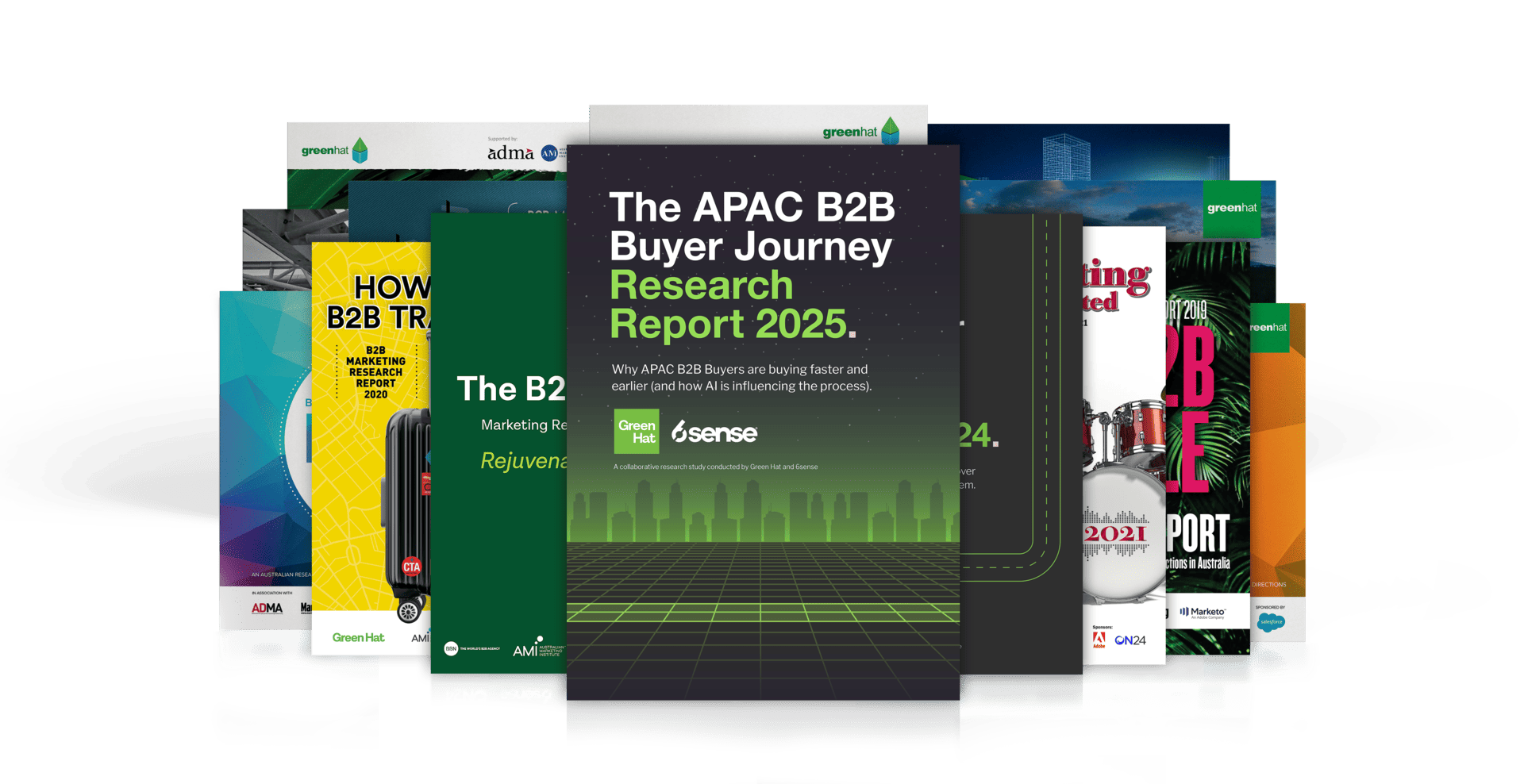
We have been developing B2B marketing research since 2011...

in collaboration with leading industry groups – BBN International, the Australian Marketing Institute and ADMA.

Past_BMR_Mock-ups_2025