
 Strategy
.png)
Why B2B buyers are contacting vendors earlier .
For years, B2B marketers operated around one clear reality: buyers preferred to stay anonymous for as long as possible.
They researched independently, consumed content on their own terms, compared vendors privately, and only contacted sales once they were well into the decision-making process. This self-serve approach reshaped B2B marketing, pushing brands to invest more heavily in digital content, search visibility, and buyer education.
That behavior still exists in 2025. But it is changing in one important way.
Today’s B2B buyers are still self-sufficient, yet many are contacting vendors earlier than before. A major reason is AI. As AI becomes embedded in more products and services, buyers are facing new questions around capability, security, privacy, pricing, and implementation. And those questions are harder to resolve through surface-level content alone.
For marketers, this shift matters. It means content strategy can no longer focus only on demand generation at the top of funnel or sales enablement at the bottom. The real opportunity now sits in the Selection Phase — the point where buyers are narrowing choices and deciding who is worth talking to.
Self-Serve B2B buying is still the norm
Despite the shift toward earlier outreach, B2B buying has not become sales-led again.
Buyers still want control. They still want to educate themselves before entering a conversation. They still want to explore the market, define their needs, and compare options without pressure. In many cases, vendor contact still happens after significant research has already been completed.
This is important because it reframes what “earlier vendor engagement” actually means.
It does not mean buyers want more sales calls. It means they want better answers sooner.
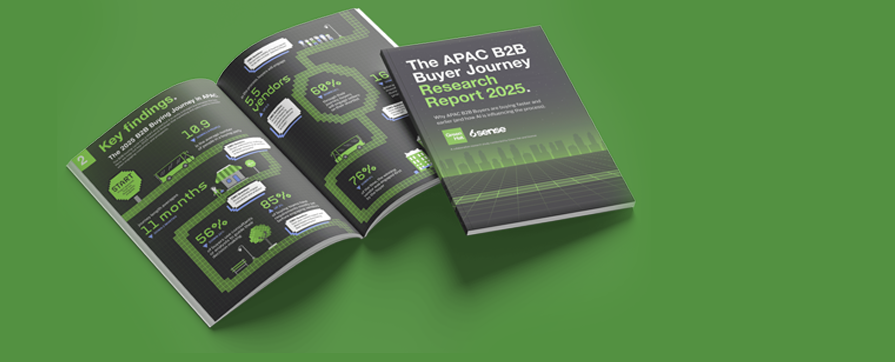
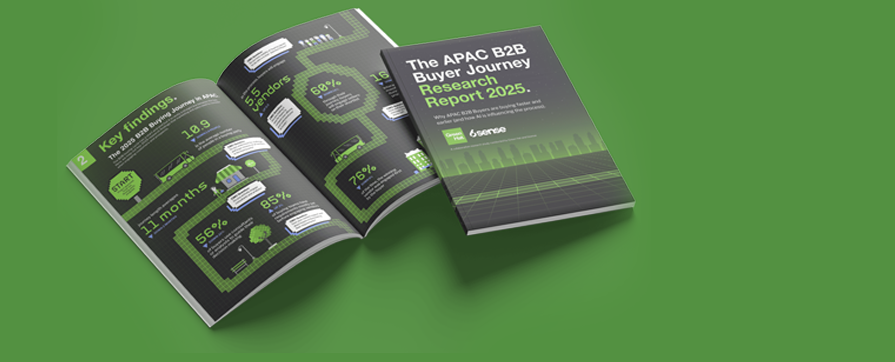
That puts pressure on brands to be more visible, more helpful, and more transparent in the moments before and around initial contact. (The 2025 APAC B2B Buyer Journey Research Report)
Why AI is changing buyer behavior
The biggest reason buyers are reaching out earlier is simple: AI adds complexity.
In the past, buyers could evaluate solutions using familiar criteria like features, pricing, service levels, integrations, and implementation support. But AI introduces a different set of concerns.
Buyers now want to know:
-
What does the AI actually do?
-
How reliable are the outputs?
-
What data is being used?
-
How is privacy managed?
-
How secure is the system?
-
What kind of training or onboarding is required?
-
How does pricing work when AI functionality is involved?
These are not small questions. They are strategic, technical, financial, and reputational questions. And because of that, buyers often need direct clarification earlier in the process.
In other words, AI is not eliminating self-serve buying. It is creating more moments where buyers need human validation.
Earlier contact does not mean sales owns the journey
One of the biggest mistakes marketers can make is assuming earlier outreach means the sales team now has more control.
In reality, marketing is becoming even more important.
Why? Because buyers are still arriving informed. They are still shaping their own requirements. They are still forming opinions before the first conversation. And in many cases, the vendor they contact first already has an advantage.
That means your brand must do more than generate awareness. It has to earn a shortlist of status.
If buyers are reaching out earlier, they are not asking to be convinced from scratch. They are asking for clarity, confidence, and proof. They want reassurance that your solution can stand up to internal scrutiny.
So, the role of marketing is to make that first conversation easier to win before it even happens.
The selection phase is where modern B2B marketing wins
The Selection Phase is becoming one of the most important points in the buyer journey.
This is the stage where buyers move from broad exploration to serious evaluation. They are no longer just learning about the category. They are deciding which vendors deserve time, attention, and trust.
That means marketers need content built specifically for this phase.
Instead of focusing only on top-of-funnel thought leadership or late-stage sales assets, brands need content that helps buyers shortlist with confidence.
That includes content such as:
-
comparison pages
-
solution explainer pages
-
AI transparency content
-
pricing guidance
-
security and compliance resources
-
implementation overviews
-
stakeholder-specific FAQs
-
case studies and third-party validation
This type of content helps buyers reduce uncertainty. It also helps internal buying groups align faster.
Why this matters for B2B content strategy
If buyers are contacting vendors earlier, then the job of content is changing.
It is no longer enough to create content that simply attracts traffic or captures leads. Content now needs to support evaluation, de-risk decision-making, and help multiple stakeholders understand the offer.
That is especially true in complex B2B purchases, where buying groups often include people from finance, operations, IT, security, procurement, and executive leadership.
Each stakeholder brings different concerns. One person may care about efficiency. Another may care about integration risk. Another may care about compliance or reputational exposure. If your content only speaks to one champion, it may fail to support the wider buying decision.
The best B2B content strategies in 2026 will reflect that reality. They will not just drive clicks. They will help buying groups move forward.
How marketers should respond
Here are four practical ways marketers can adapt to earlier vendor engagement:
1. Create content for the selection phase
Build assets for buyers who are actively evaluating options, not just discovering the category. Give them content that helps with comparison, validation, and internal alignment.
2. Make AI messaging clear and specific
Avoid vague claims about being “AI-powered.” Explain what your AI does, how it works, what value it creates, and how you handle privacy, security, and usage.
3. Support the whole buying group
Create content for different stakeholders, including technical evaluators, financial decision-makers, and risk-conscious buyers. Make it easier for internal champions to share and defend your solution.
4. Improve discoverability before first contact
If vendor outreach is happening earlier, being visible at the right moment matters even more. Invest in search visibility, strong solution pages, comparison content, and credible proof points.
Final thoughts
B2B buyers are still independent. They still want a self-serve experience. They still do a significant amount of research before engaging a vendor.
But in 2026, AI is reshaping that behavior.
As products become more complex and AI becomes a bigger part of the buying decision, buyers are raising their hands earlier to get clarity on the things that matter most. That creates a new challenge for marketers — and a new opportunity.
The brands that win will be the ones that do more than attract attention. They will be the ones that show up early, answer hard questions clearly, and create content that supports the Selection Phase, where real buying decisions are increasingly made.

.png?width=900&name=shutterstock_2484595495%201%20(1).png)

.png?width=900&name=image%20350%20(1).png)